Explore the Beauty of Japanese Fine Art

Search

Porcelain Cloisonne And Tea Ceremony Items

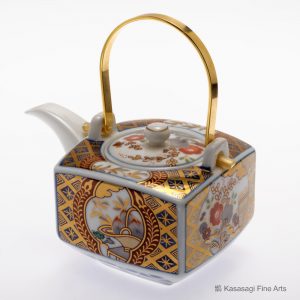
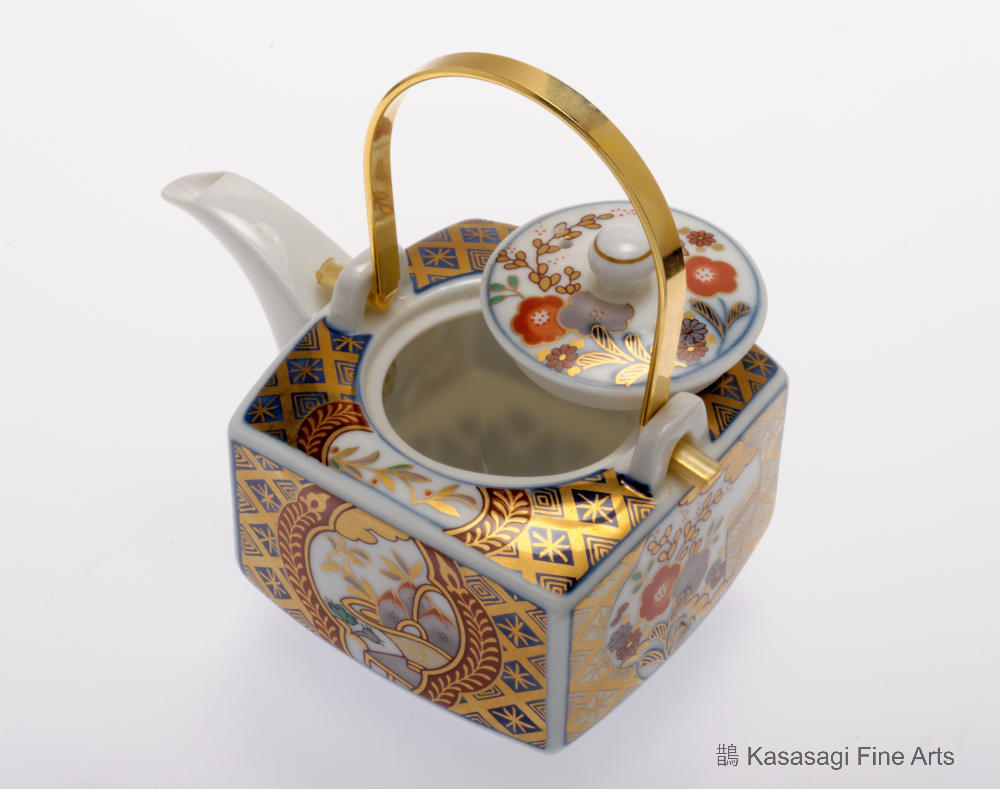
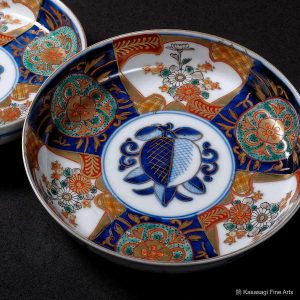
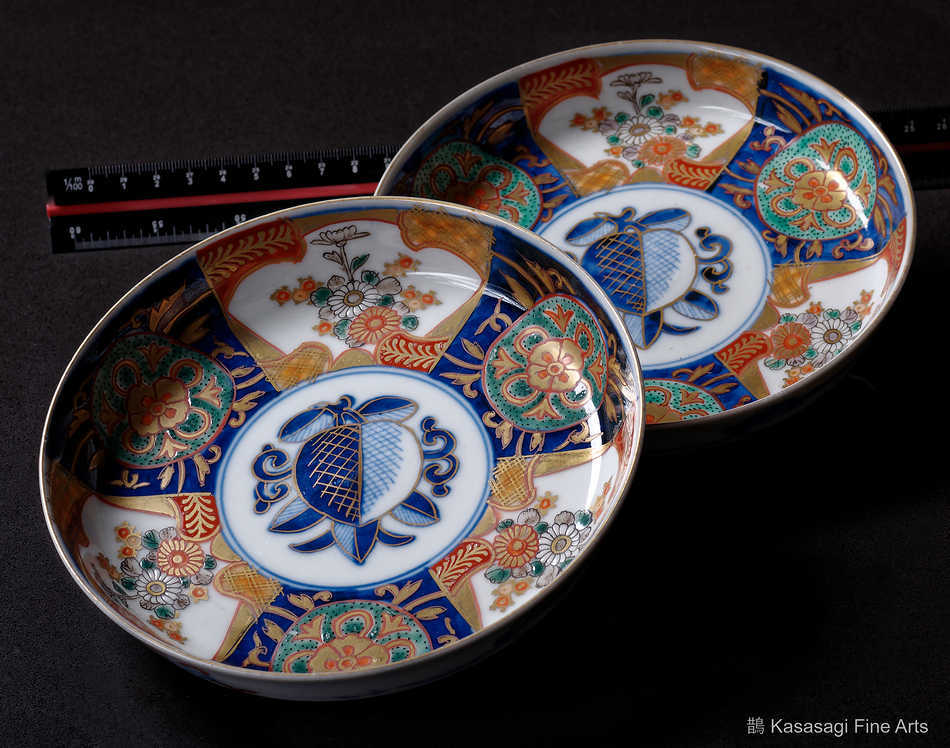
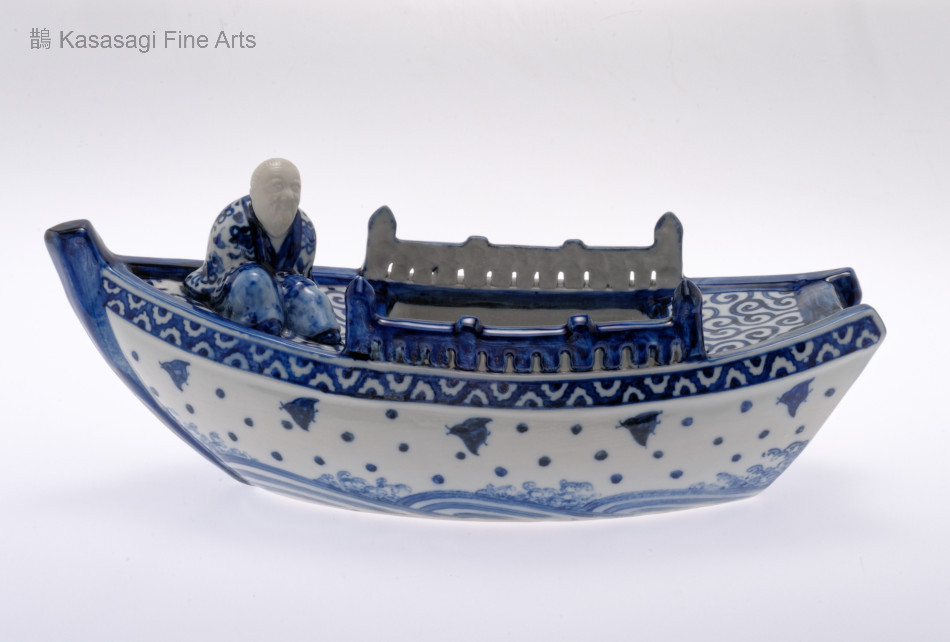
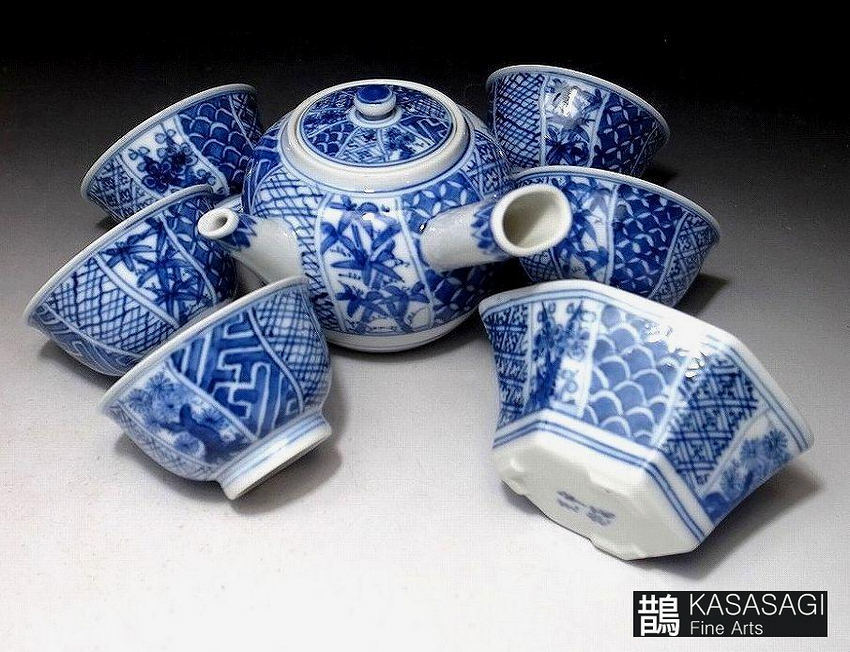
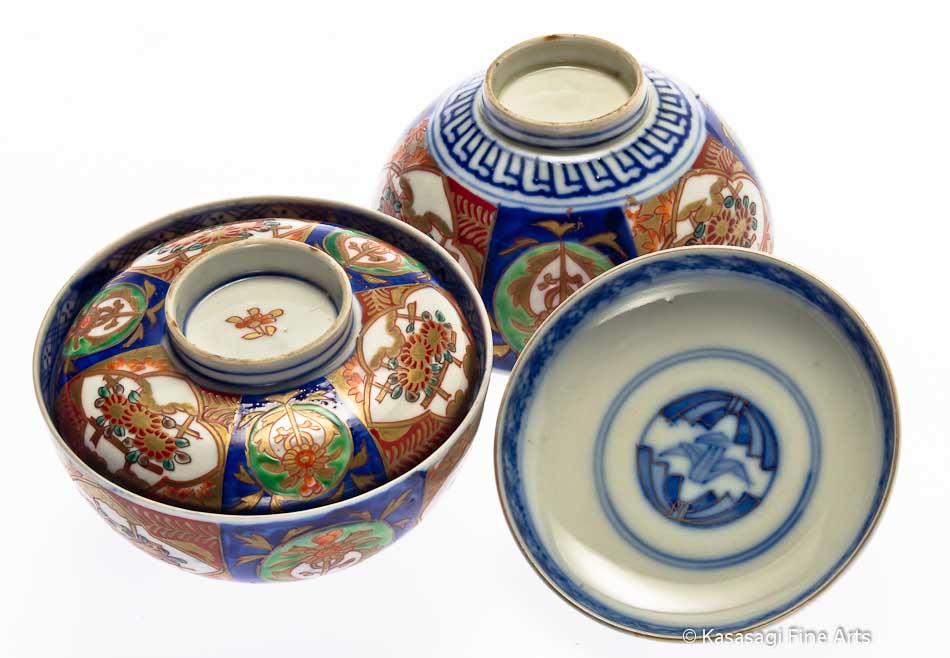
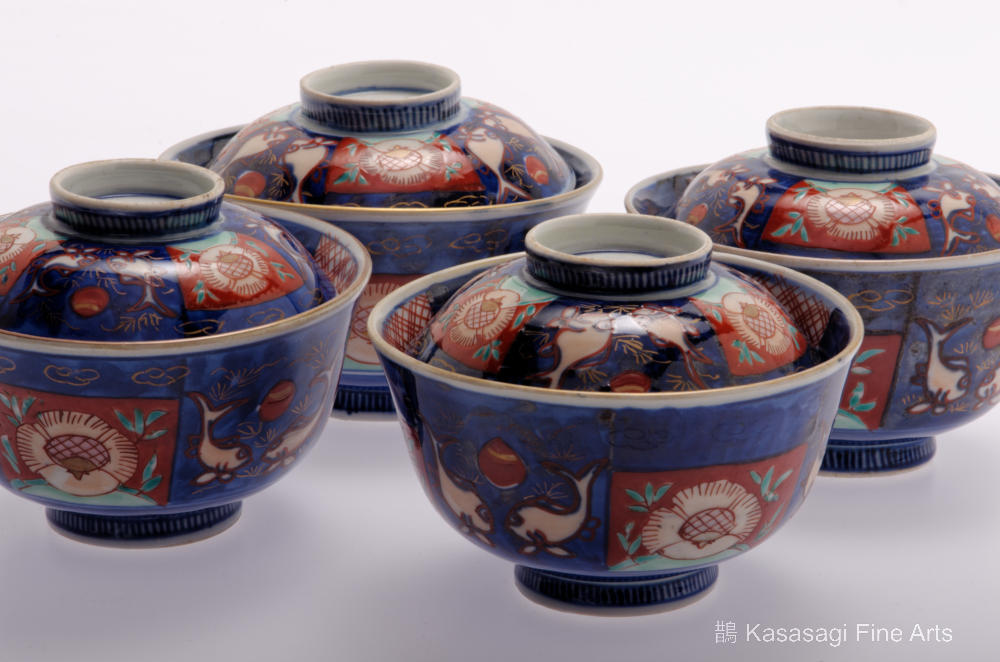
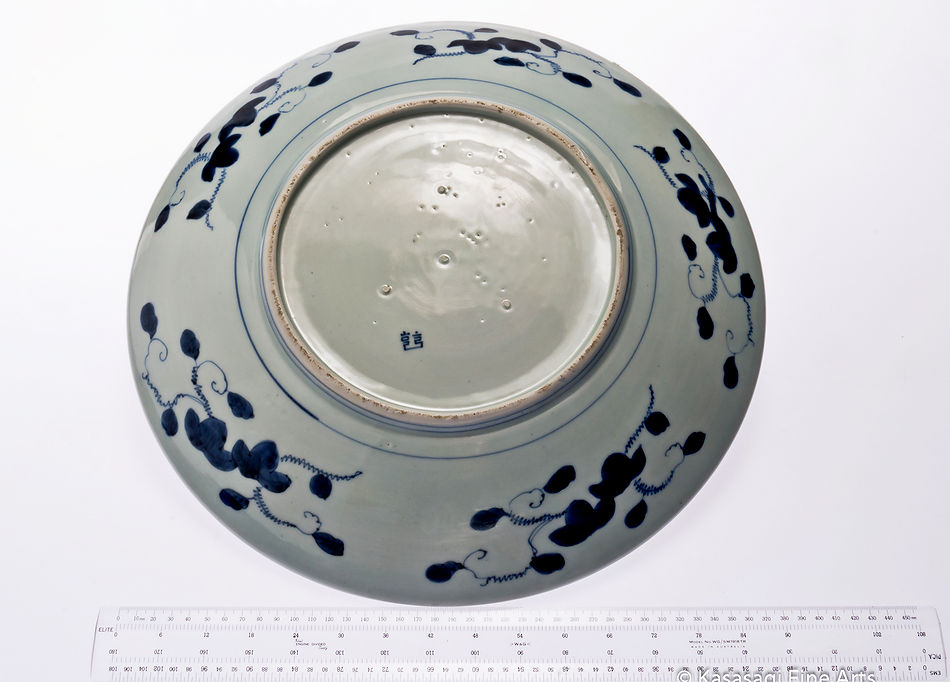
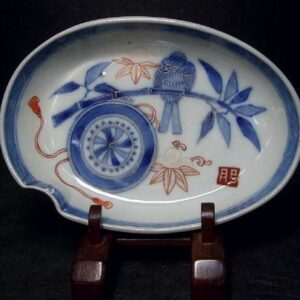
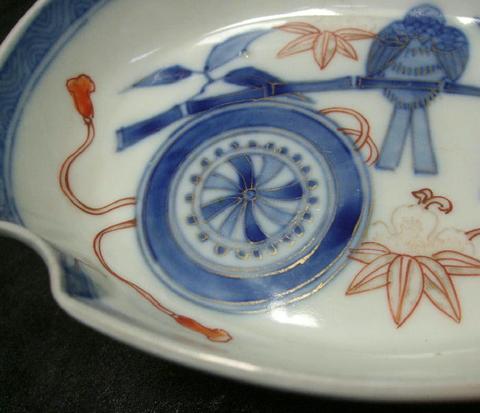
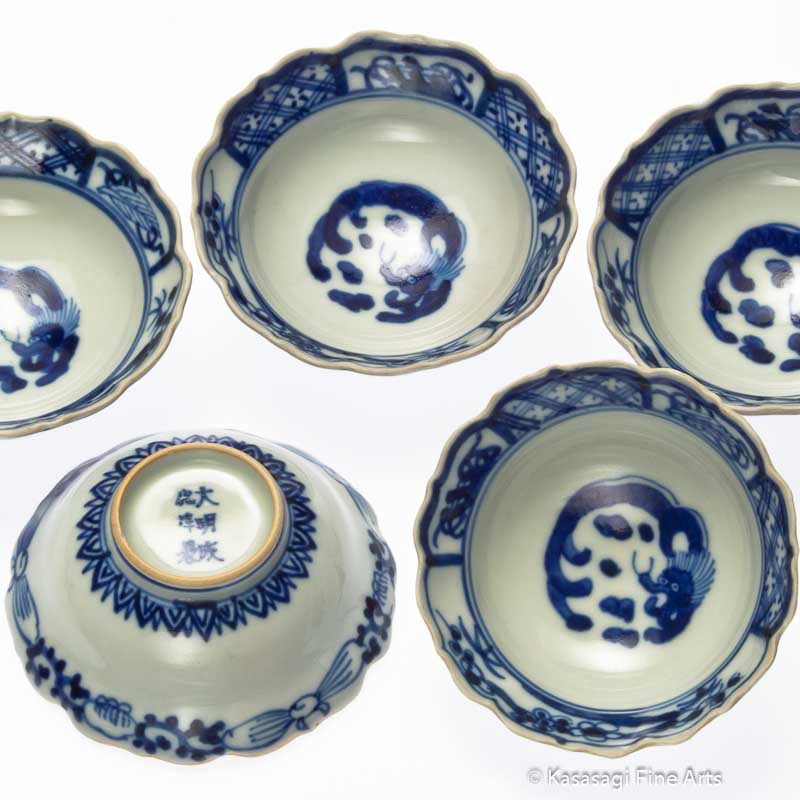
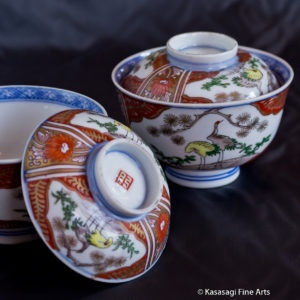
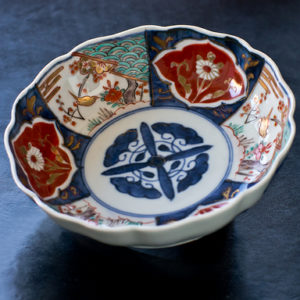
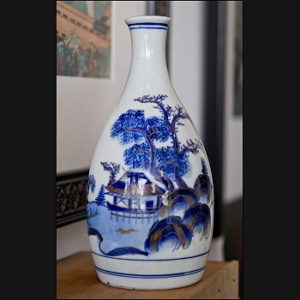
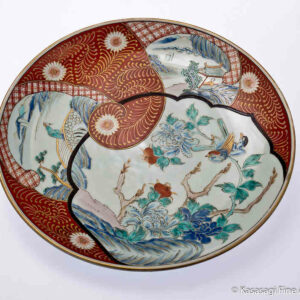
Imari originated from the port town of Imari and is is known for its vibrant and intricate designs. Highly prized in the 17th and 18th centuries, Imari porcelain influenced European porcelain designs, including those of Meissen in Germany.
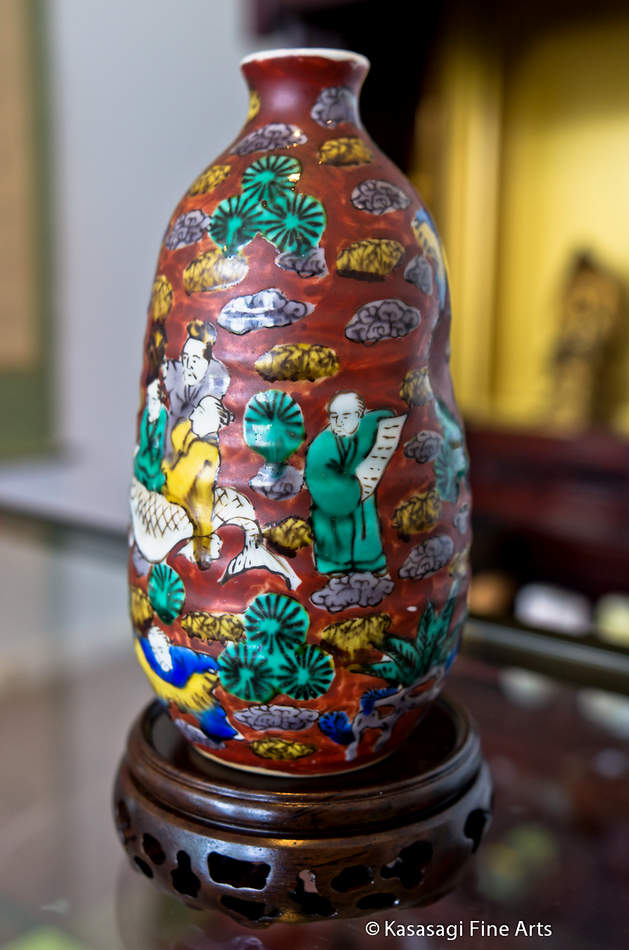
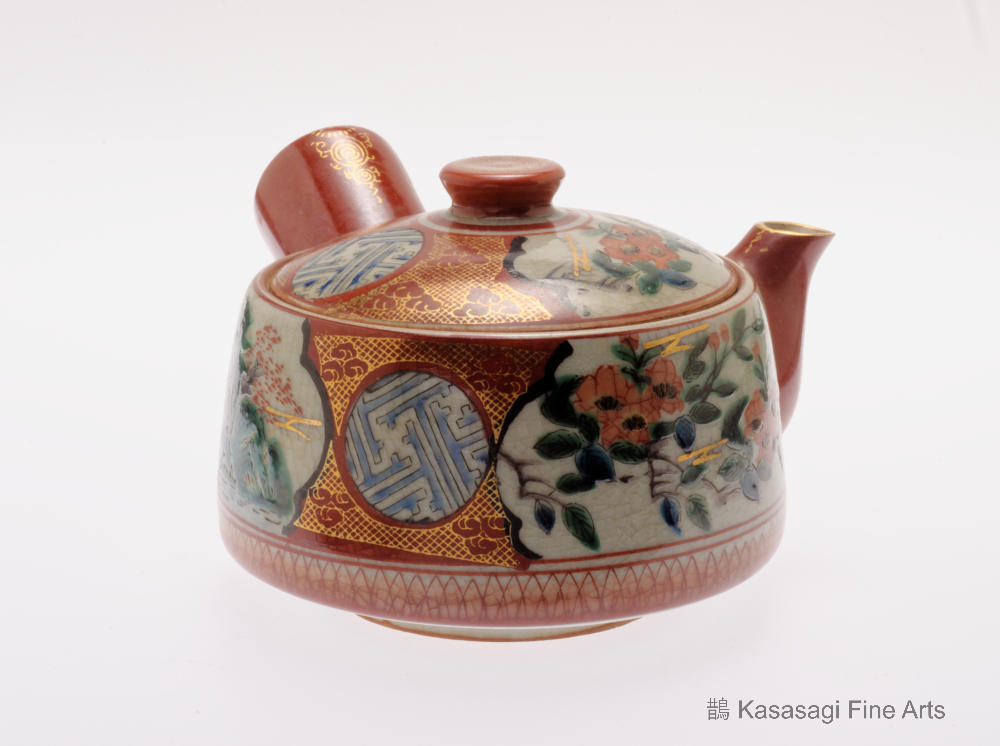
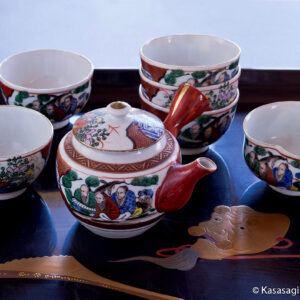
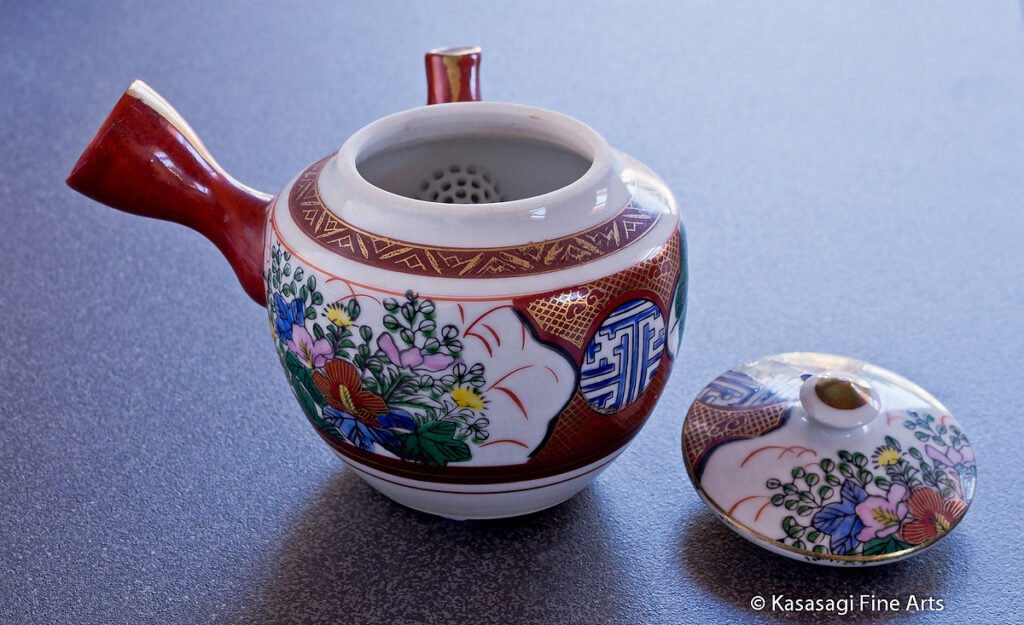
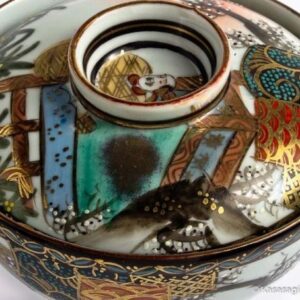
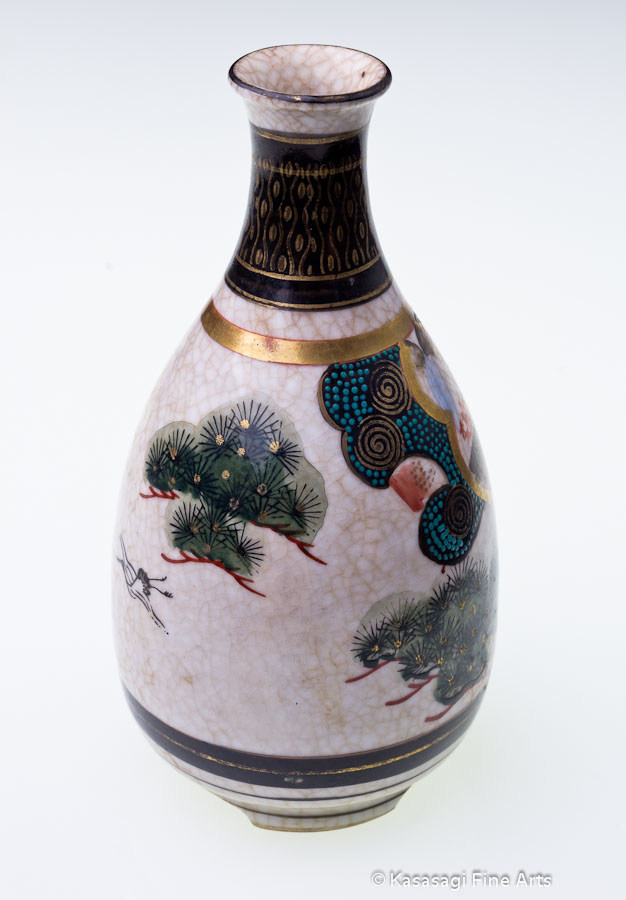
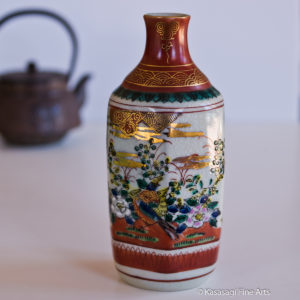
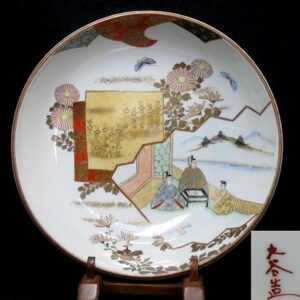
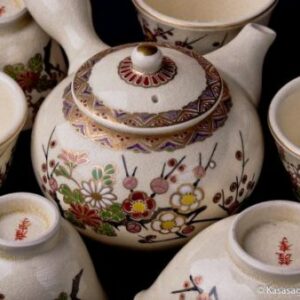
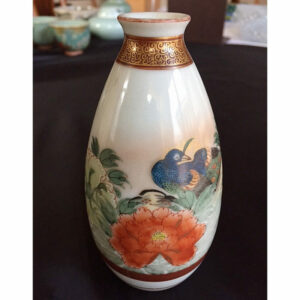
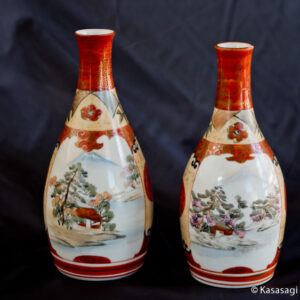
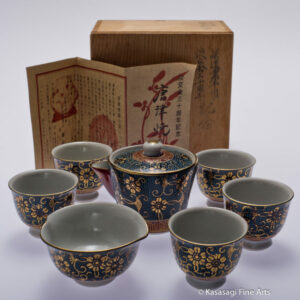
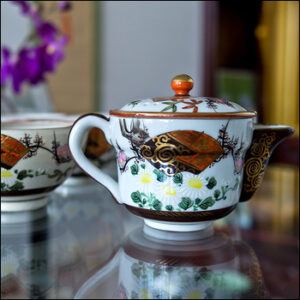
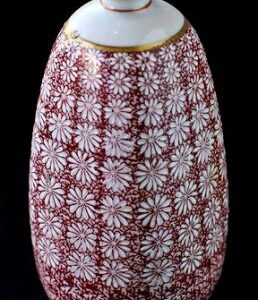
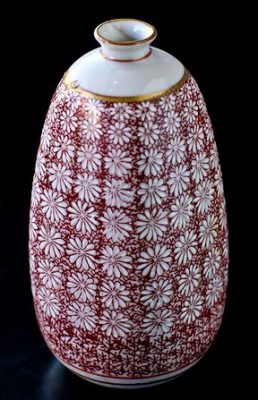
Kutani porcelain was developed in the 17th century in the Ishikawa Prefecture. Famous for its rich colour palette, enamel-like glazes and striking hues applied over a white porcelain base, featuring scenes from nature, Japanese mythological figures and historical events.

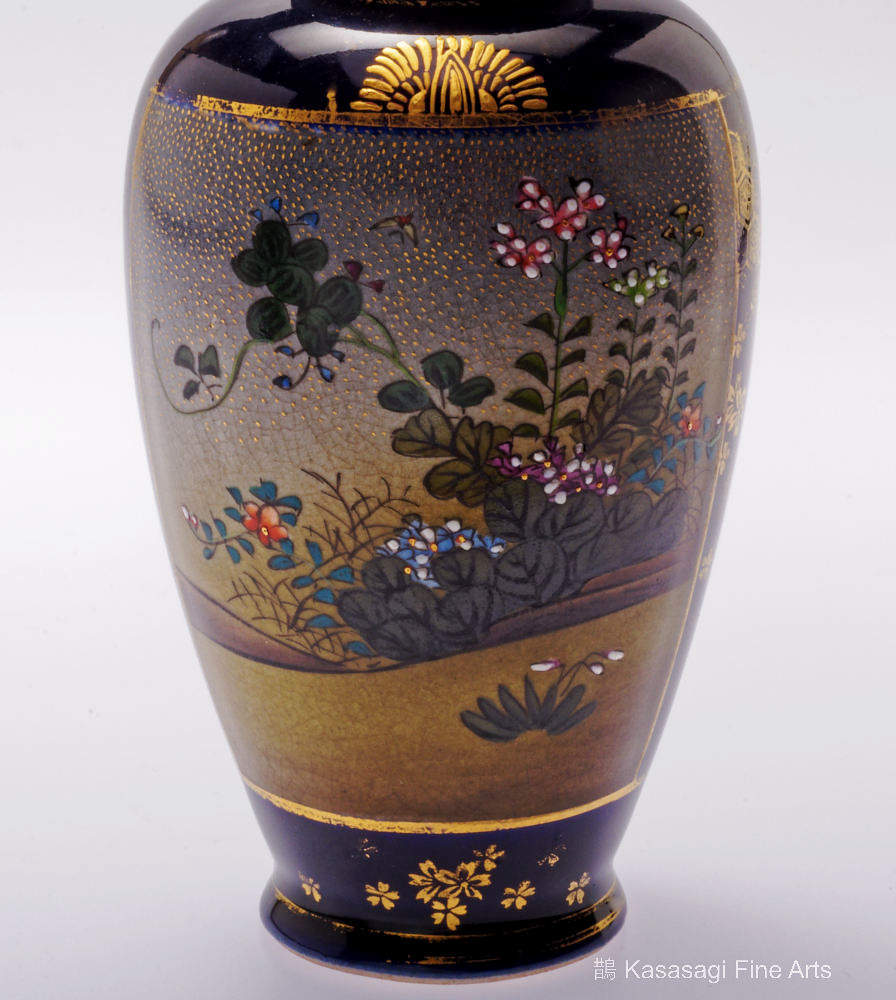
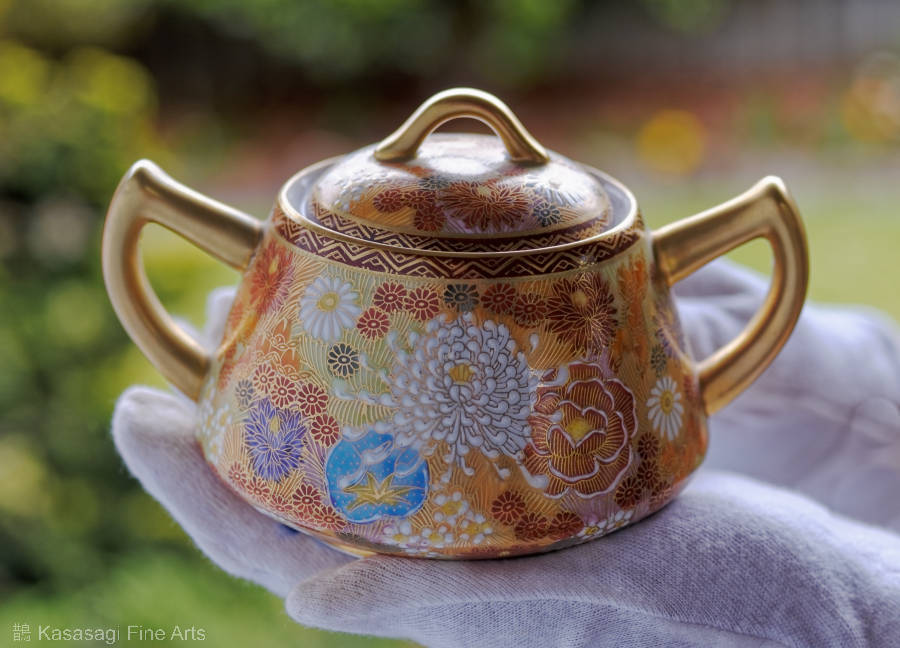
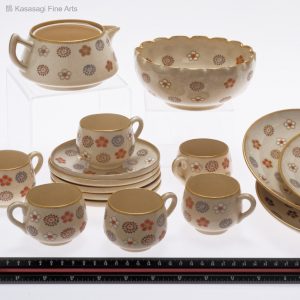
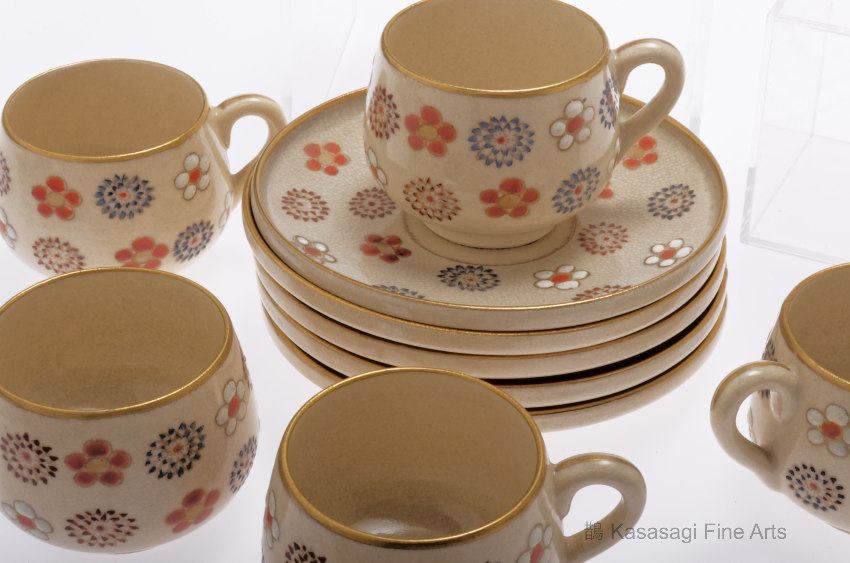
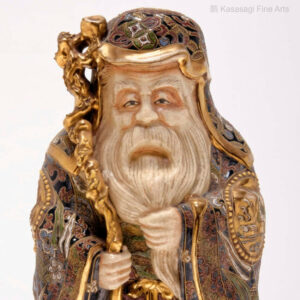
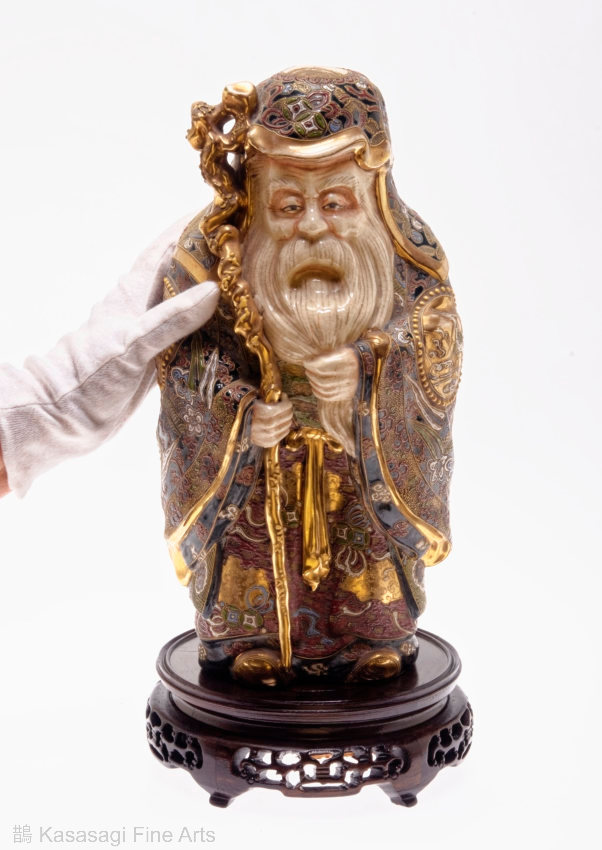
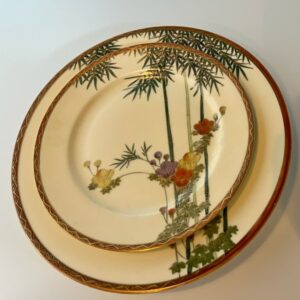
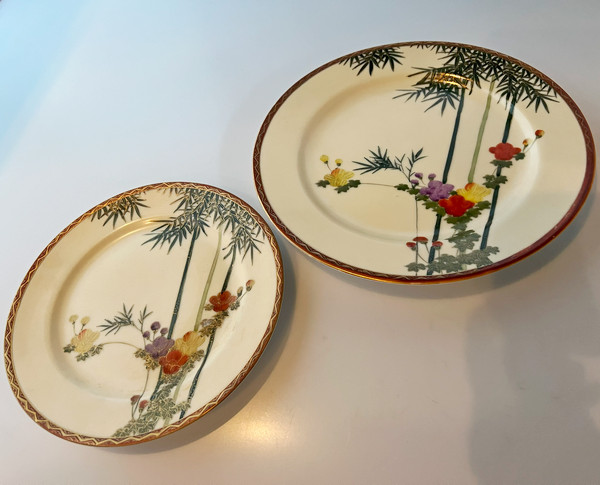
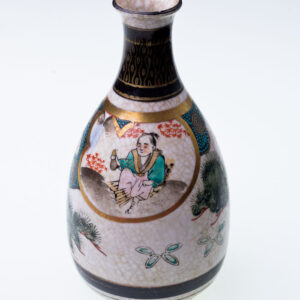
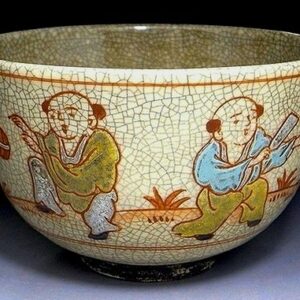
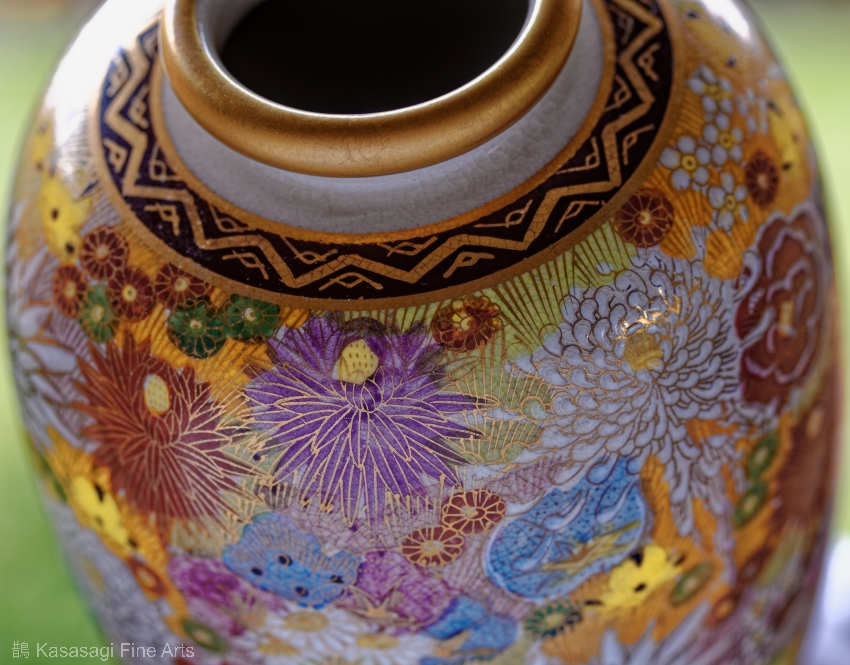
Satsuma porcelain was developed in Kyushu in the late 16th century.  A hallmark feature is its characteristic crackled glaze. In the 19th century Satsuma adopted a more refined style known as Kōrō-yaki and marks or signatures were applied to indicate their origin.  Some famous marks include the Kinkozan family, Shizan and Kyo-Satsuma.

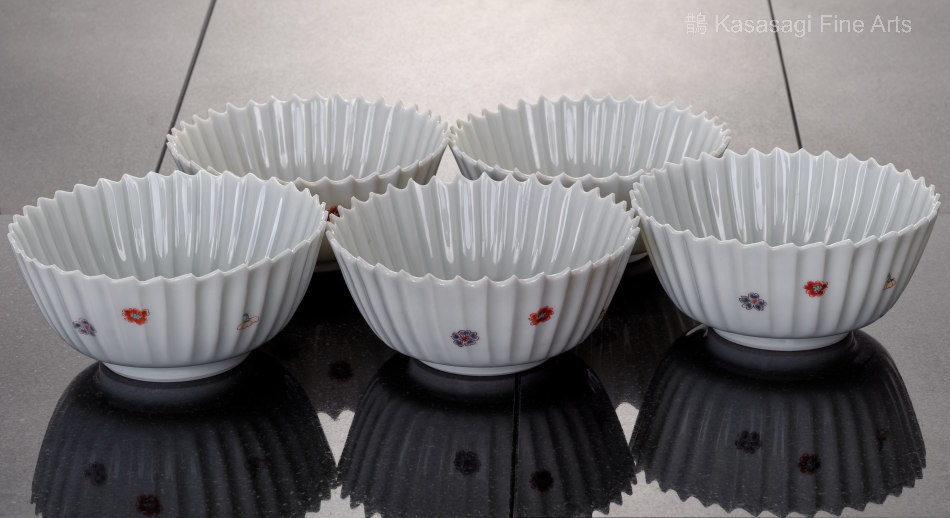
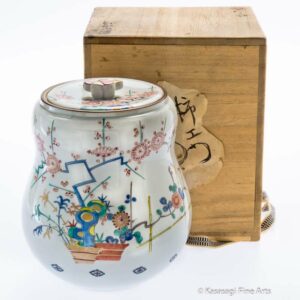
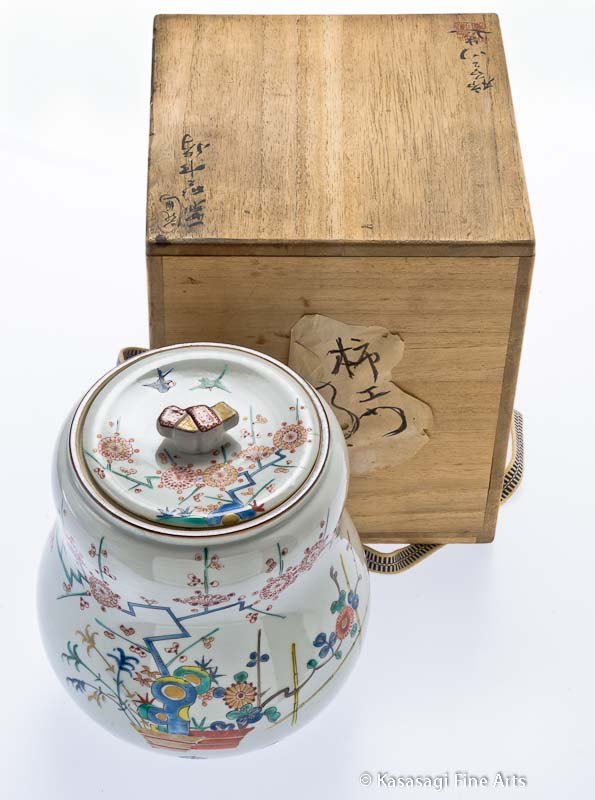
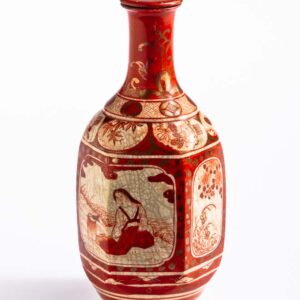
Kakiemon porcelain originated in the early 17th. A hallmark feature is its Red colour with elegant and simple forms. graceful curves and smooth surfaces. A unique aspect of Kakiemon porcelain is its overglaze decoration, which is applied after firing allowing for the use of vibrant colors that are not possible with traditional underglaze techniques. The name Kakiemon originates from the family and the potter Sakaida Kakiemon, credited with developing the style in the 17th century.

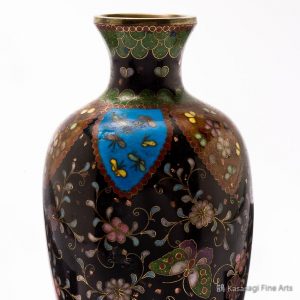
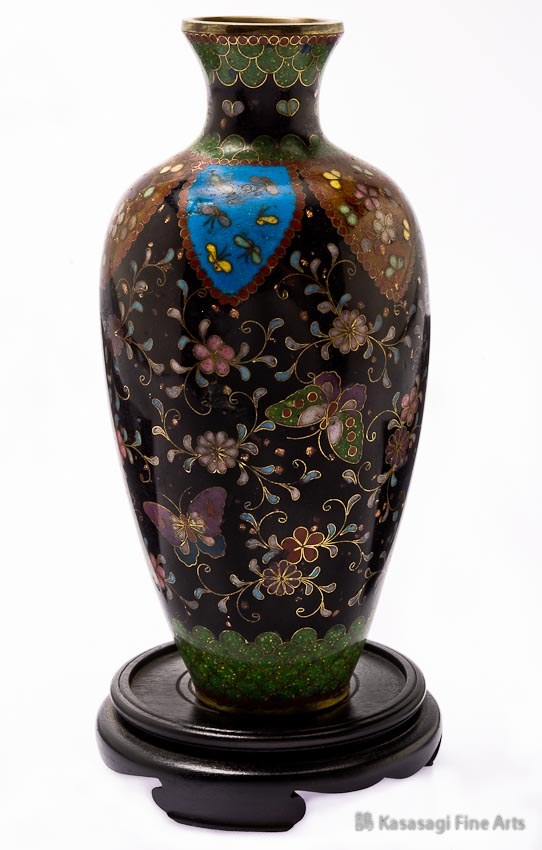
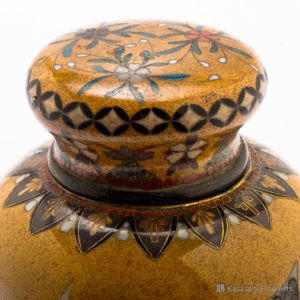
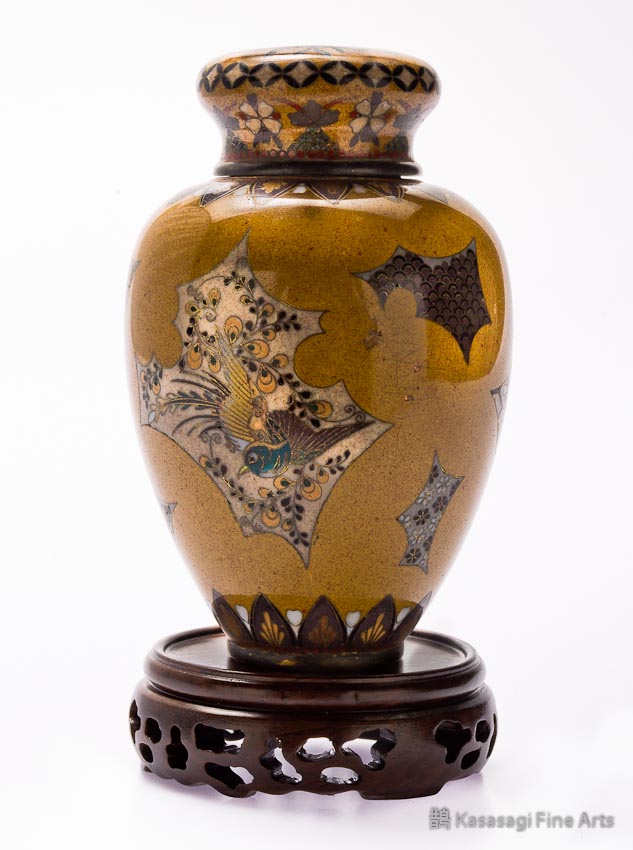
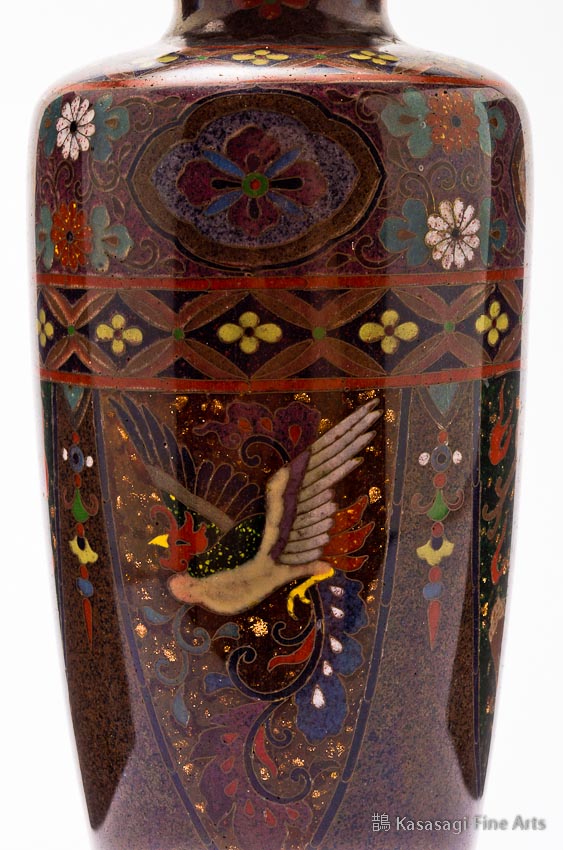
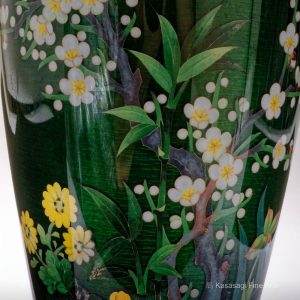
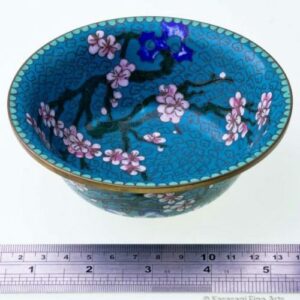
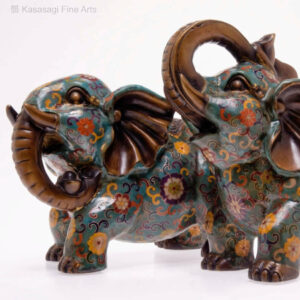
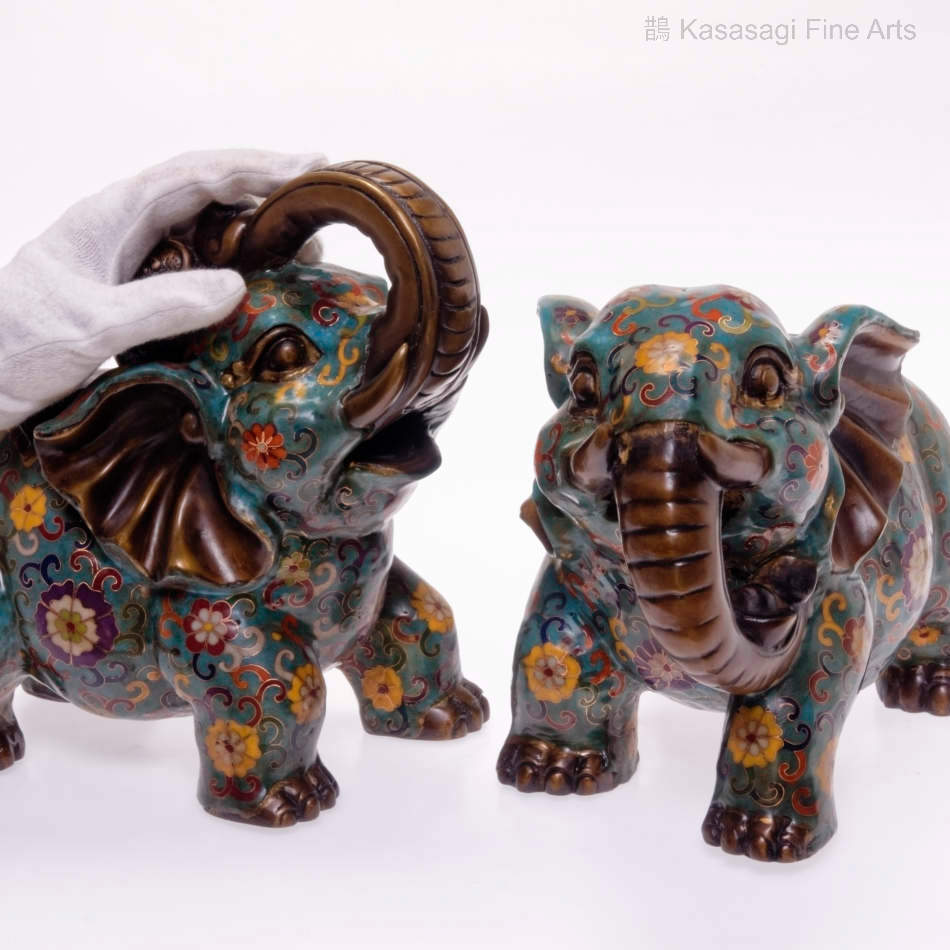
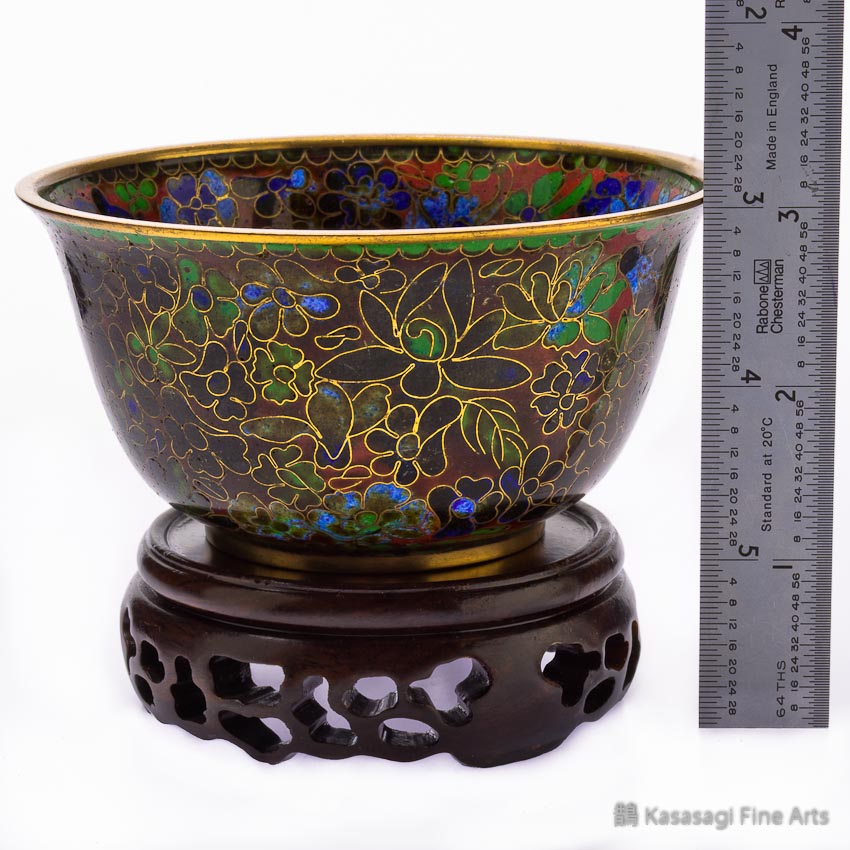
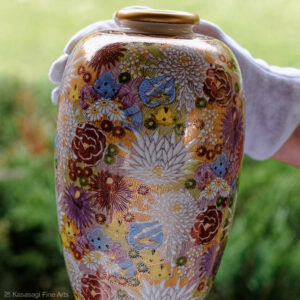
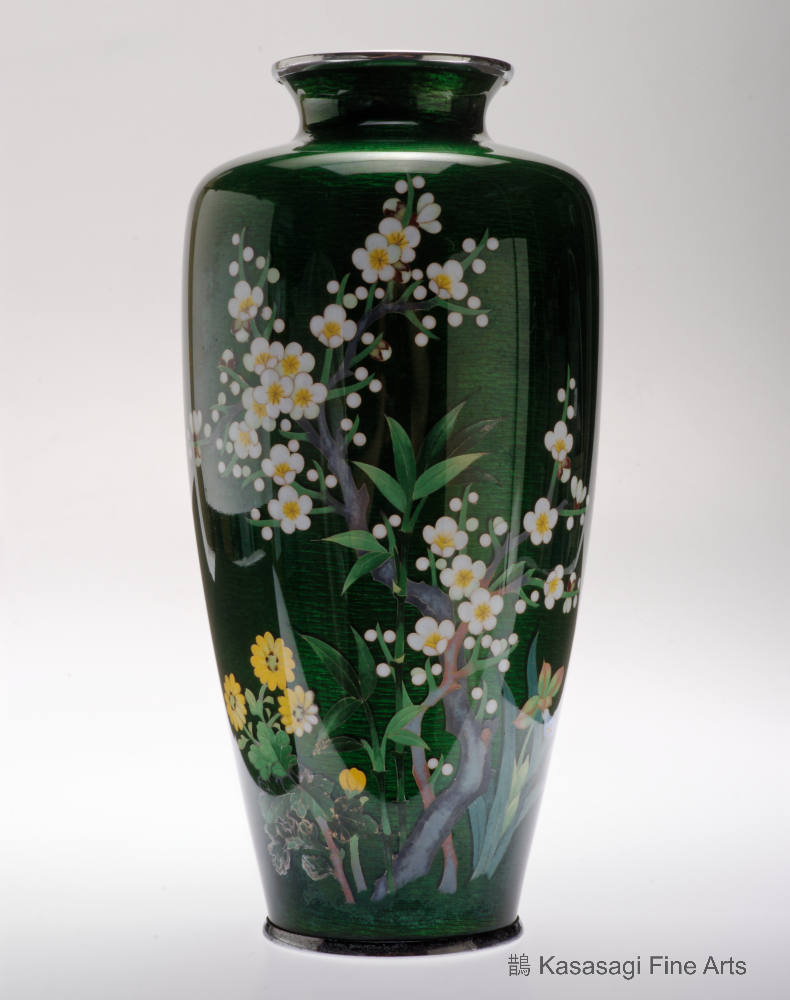
Cloisonné is an ancient technique of enamel work creating intricate designs on metal surfaces using thin metal strips to form compartments (called cloisons) which is French for compartments. These compartments are filled with coloured enamel and fired to fuse the enamel into the metal. The technique dates back to the ancient civilizations of Egypt, Greece, and China.

Product categories
Select...
Select Print Artists